Colors Cup Bambini

Empowering children. Enabling participation. Discovering digital worlds together.

Colors Cup Bambini connects the digital world children live in with genuine participation, inclusion, media literacy, prevention and resilience.

Children are curious. They want to discover, try things out, understand, belong and help shape things. For many children today, digital media and gaming are a completely natural part of everyday life.

That is why our approach is not to condemn this world or to keep children away from it. We want to accompany children, strengthen them and give them knowledge and ways to act, so that they learn to move through digital and social spaces ever more independently and safely.

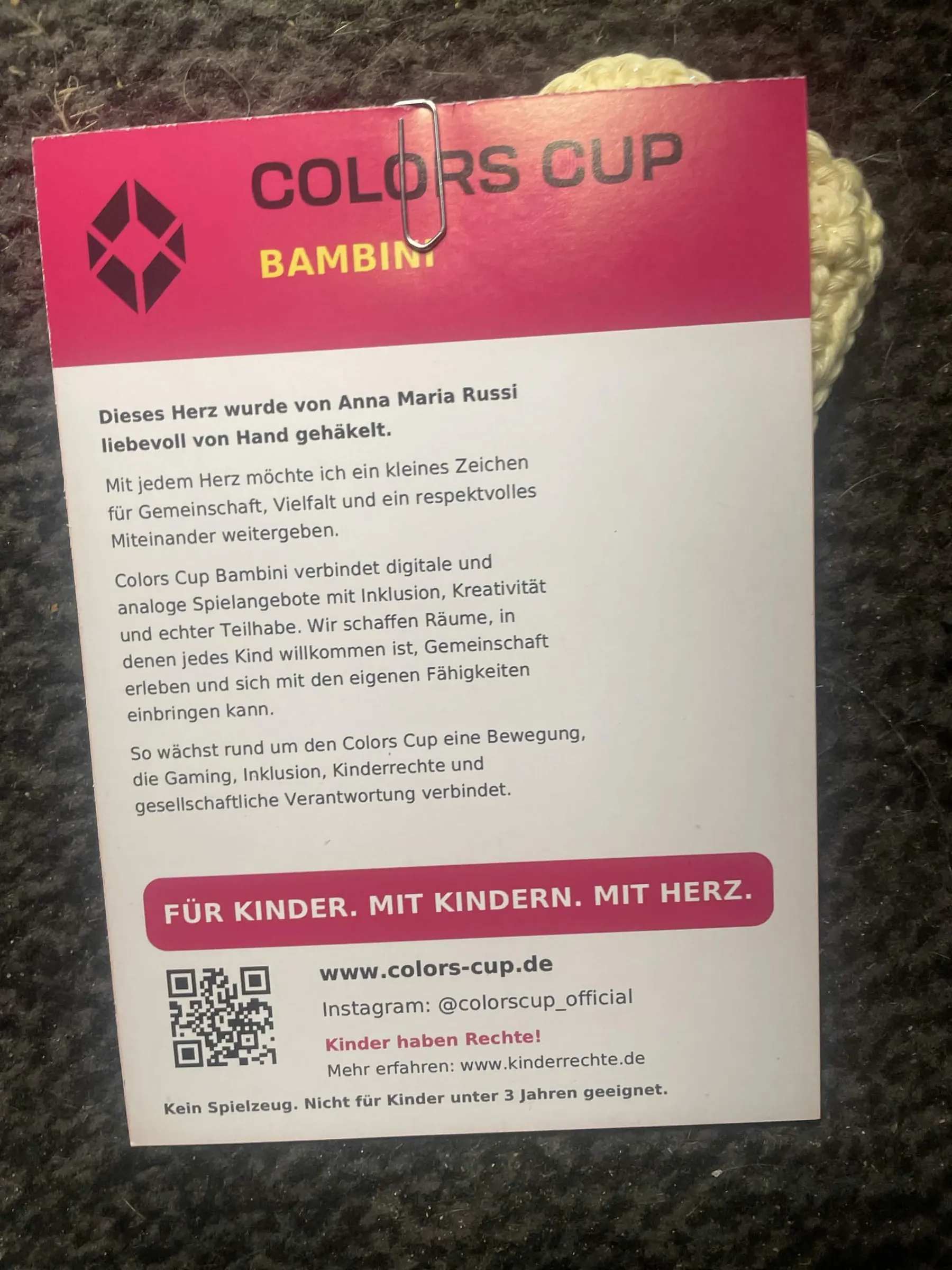
In doing so we are also guided by the children's rights of the UN Convention on the Rights of the Child.

Because children have rights.

And we adults carry the responsibility for making sure children can get to know these rights, experience them and exercise them.

  • Participation
  • Inclusion
  • Media literacy
  • Prevention
  • Resilience

Children have rights! (German)

Empowering children

The digital space is part of children's everyday world

The digital space is not automatically a protected space.

There, children can encounter people, content and situations whose risks or intentions they cannot yet recognise or assess, given their age and experience.

That is why the question of what a child plays is not the only one that matters to us.
At least as important is the question of who they play, talk and communicate with.

  • Who does my child meet in the digital space?
  • What conversations do they have there?
  • What experiences are they having?
  • What feels good and what perhaps does not?

For us, looking closely does not mean constant control, but attentive support.

Accompanying instead of judging

Colors Cup Bambini explicitly does not want to point the finger at parents or other adults, nor to preach.

Digital media are part of everyday family life and repeatedly confront adults with new questions and challenges.

So the question we want to ask is not:
What are parents doing wrong?

Instead, we want to invite people to be curious about the digital world children live in.

  • What is my child playing?
  • What fascinates them about it?
  • Who do they play with?
  • Who do they communicate with?
  • What do they experience there?

Children may explain their digital world to us. This can start conversations and gives adults the chance to understand this world better.

Support, interest, trust and relationship matter more to us than control alone.

Children should know that they can confide in adults when something online frightens them, feels uncomfortable or simply does not feel right.

Knowledge creates ways to act

We do not just want to warn children about possible dangers.
We want to strengthen them.

Because with knowledge, children can recognise and assess situations better.

They can learn to perceive and respect their own boundaries and those of others. They can learn to say no, to leave a situation, to block or report someone and to get support.

For us this also includes a very concrete question:

  • Where do I get help if something happens to me in the digital space?

There are already reputable, free and in some cases anonymous support services for children and young people. Colors Cup Bambini wants to make such services visible and understandable and to show children how and where they can get support.

Because it is not enough to tell a child to get help.
They also need to know where to find that help and how to reach it.

One point is especially important to us here:

Responsibility for protection must never rest with the child alone.

Knowledge gives children ways to act. Adults remain responsible for protection, orientation and support.

Recognising boundaries and building resilience

For us, making children strong does not mean making them afraid of possible dangers.
It means trusting them with something and giving them skills.

  • A child who gets to know their own boundaries is more likely to notice when someone tries to cross them.
  • A child who knows that they are allowed to say no can exercise that right more consciously.
  • A child who learns to trust their feelings is more likely to notice when a situation does not feel right.
  • And a child who knows where to get help does not have to handle a difficult situation alone.

Children may try things out, ask questions and also make mistakes.

We want to create spaces where they experience that mistakes are part of learning and that solutions can be found together.

A child who experiences that they can make decisions, that their opinion is heard and that they can handle challenges develops a sense of self-efficacy.

These experiences can help to build resilience.

Participation in practice

At Colors Cup Bambini, participation is not a single item on the programme.
It is our attitude.

Children should not simply consume an offer planned by adults or be kept busy.

They may discover, try things out, ask questions, make decisions, contribute their own ideas and help shape things.

  • What interests you?
  • What would you like to try out?
  • What rules do we need so that everyone feels comfortable?
  • What do you feel is fair or unfair?
  • How do we want to play and treat each other?

This is how children experience it in practice:

My opinion counts.
My boundaries count.
I can make a difference.

At the same time they learn to perceive and respect other people's opinions, needs and boundaries.

Inclusion means more than being there

Colors Cup Bambini is meant to be a space where different children belong as a matter of course.

Different abilities, disabilities, experiences, languages as well as social or financial circumstances should as far as possible create no barriers to taking part.

For us, inclusion is not only about access.
A child is not automatically involved just because they are allowed to be present.

They should have the chance to really join in, to be understood, to contribute their own abilities, to make decisions and to experience themselves as part of a community.

That is why we try to design our activities so that different ways in are possible and children can contribute their individual strengths.

Every child can do something.

And every child should have the chance to show it.

Digital meets analogue

Colors Cup Bambini is not simply gaming for children.
Gaming can be a wonderful door opener.

We deliberately combine digital activities with analogue experiences.

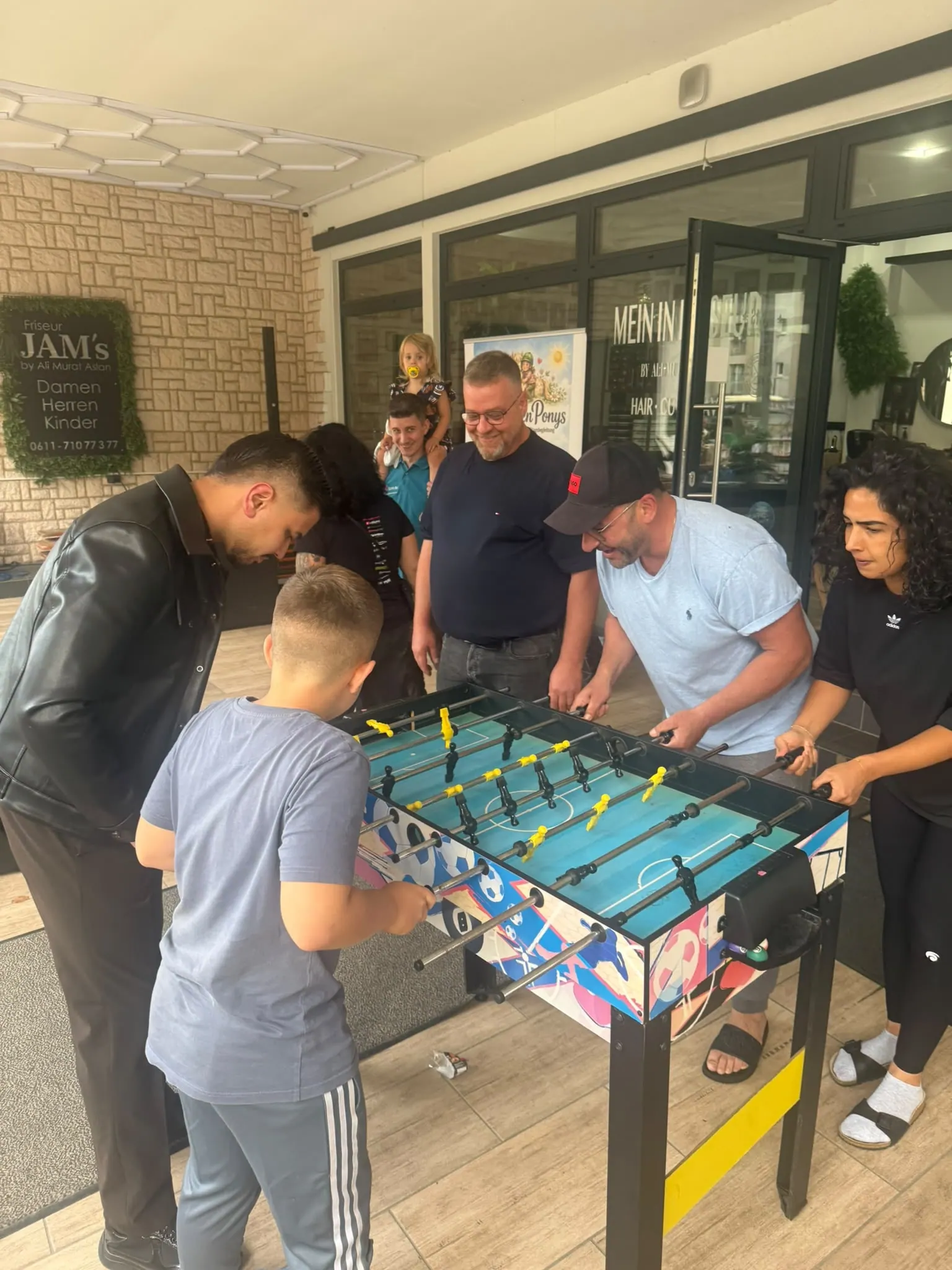
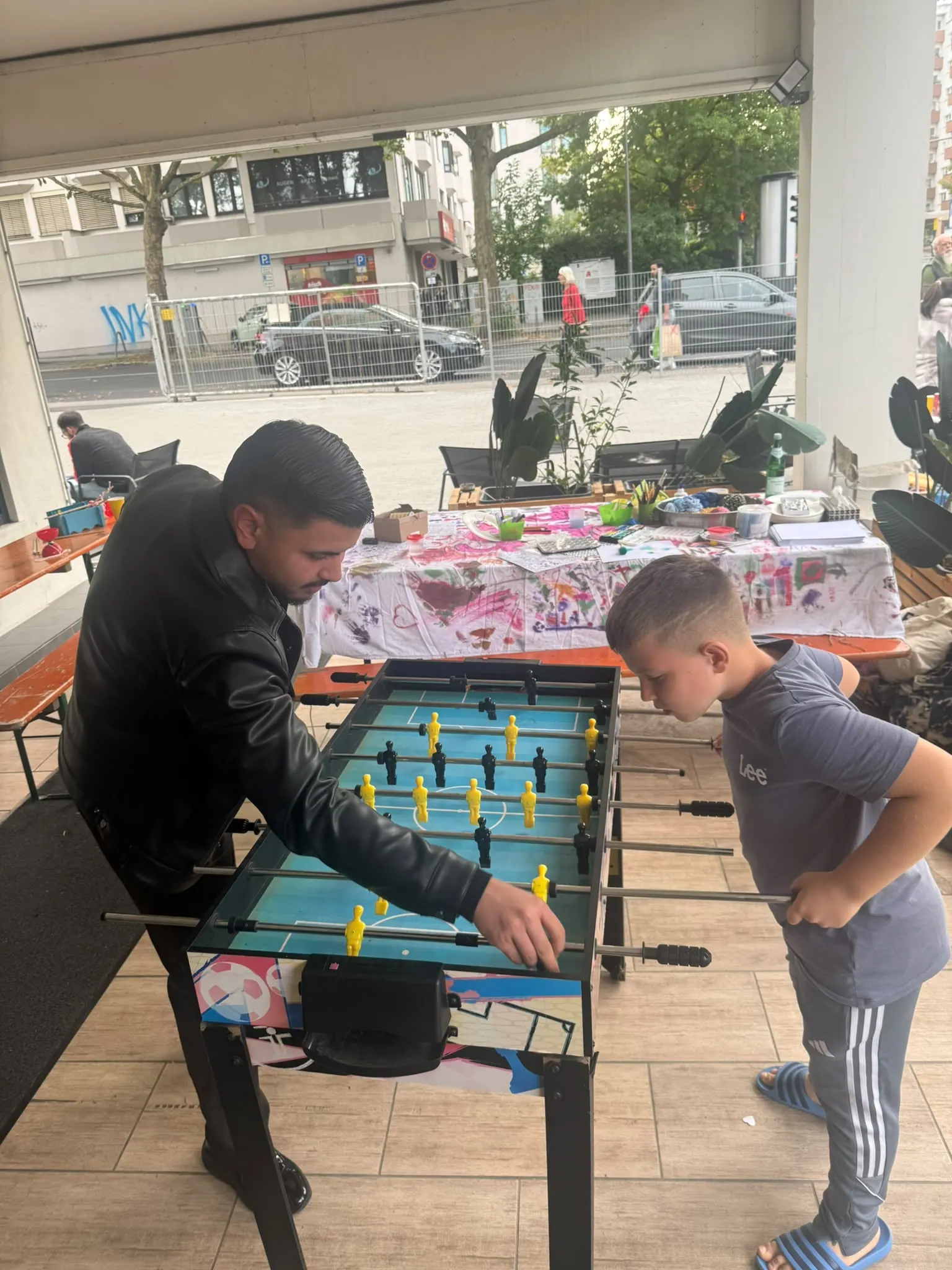
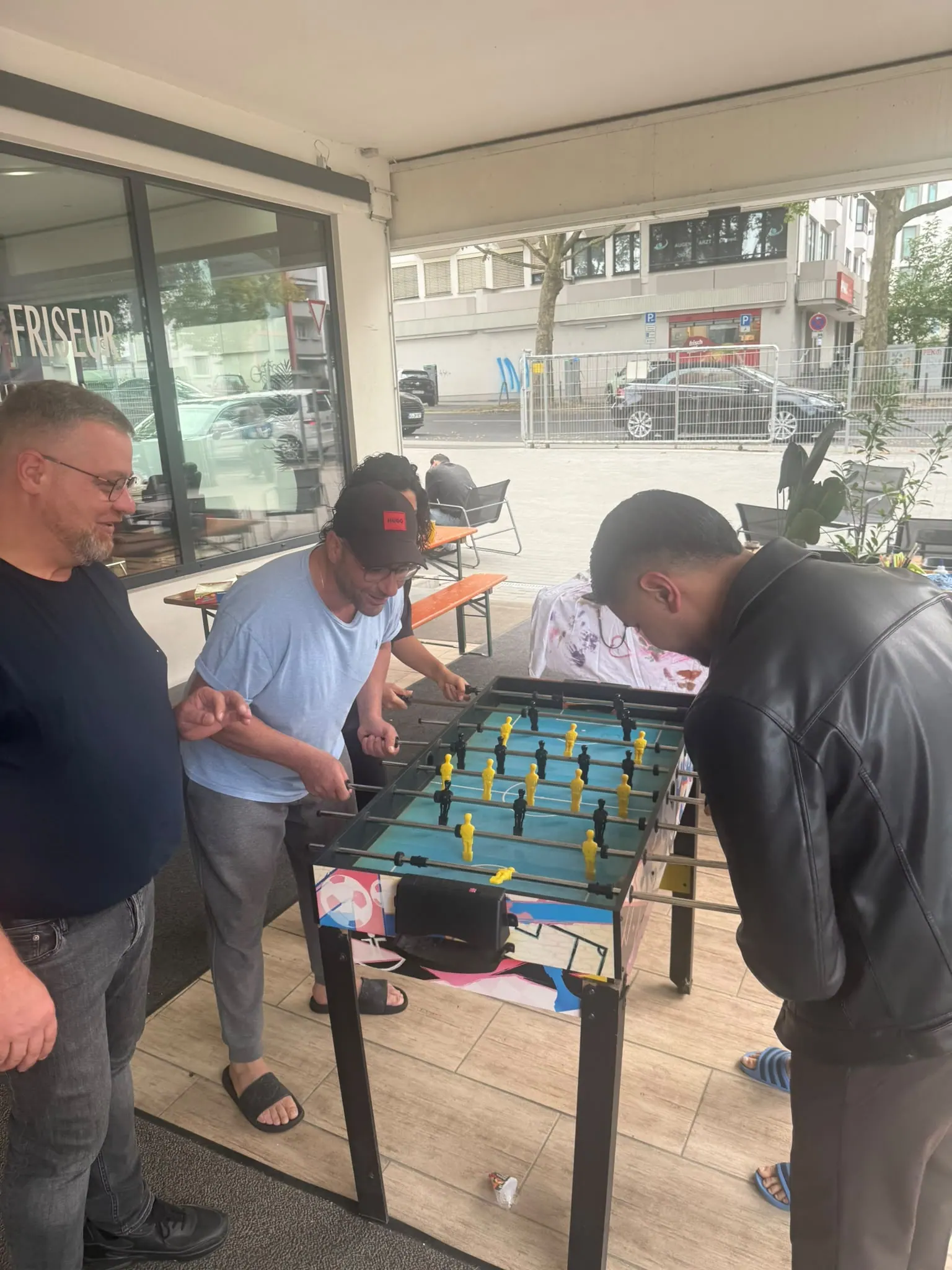
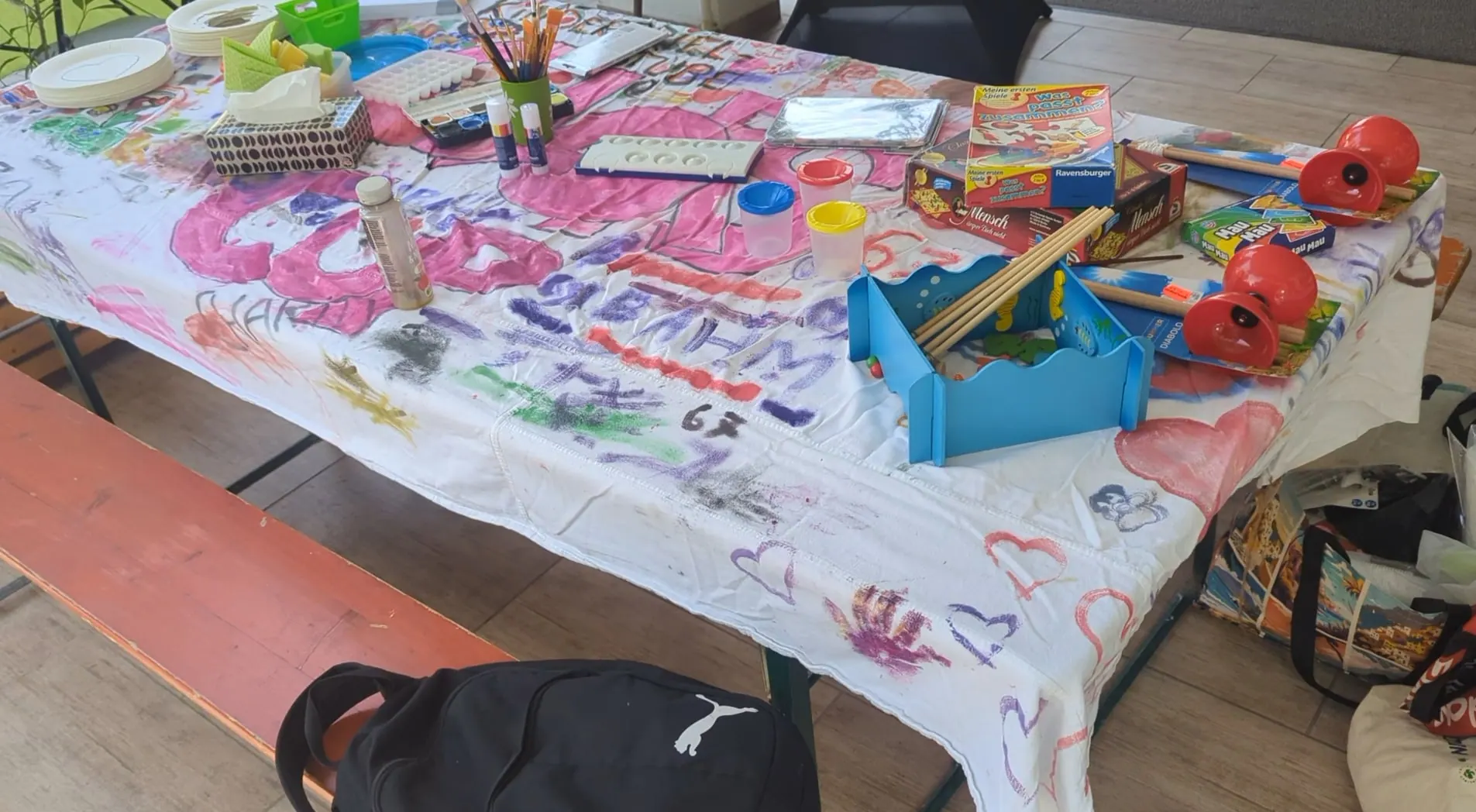
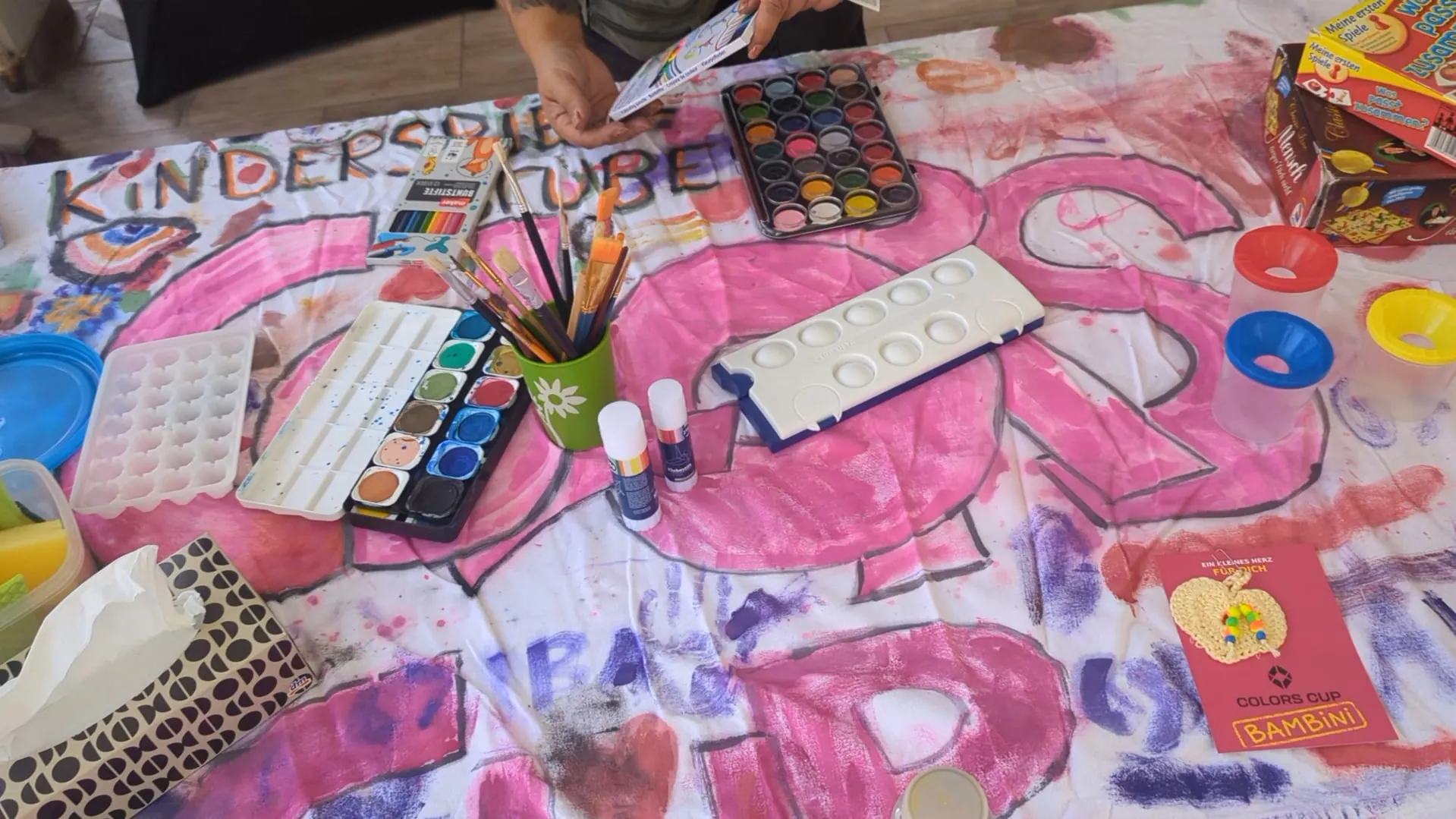
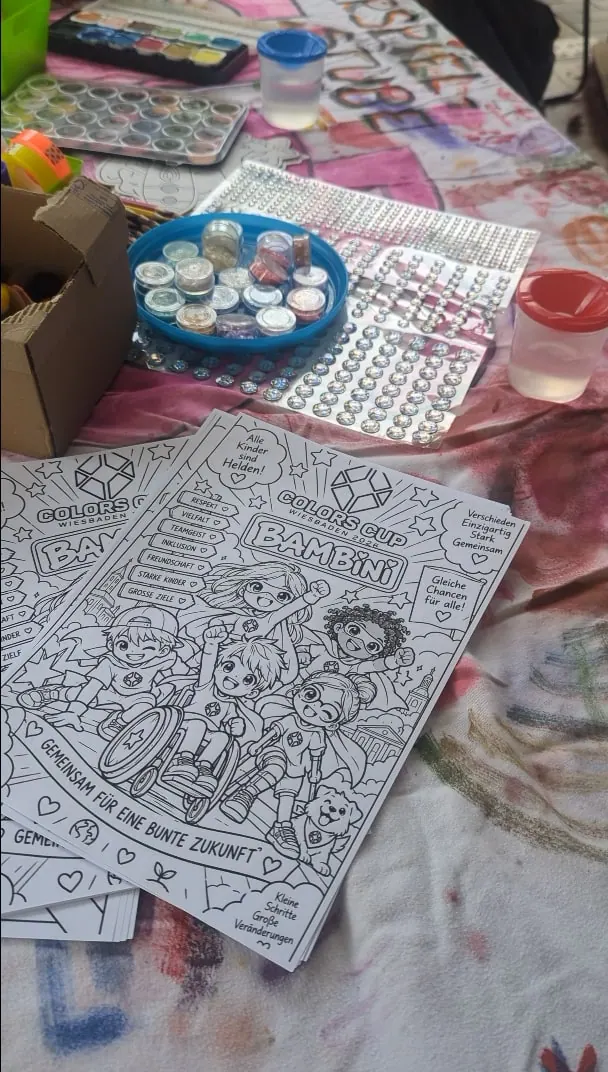
Depending on the event, gaming, movement, creativity, dexterity, team tasks, children's rights, media literacy and shared challenges can be combined.

Children should try things out, talk to each other, move, find solutions together, learn from one another and have fun together.

For us, digital and analogue worlds are not a contradiction.
We bring them together.

Children's rights at Colors Cup Bambini

Our attitude is guided by the children's rights of the UN Convention on the Rights of the Child.

Articles 12, 17, 19 and 31 are particularly closely connected to Colors Cup Bambini.

Article 12

Being heard

Children have the right to be heard and to be involved in decisions that affect them.

For us adults this means listening to children, taking their opinion seriously, explaining decisions in an age-appropriate way and creating real opportunities to participate.

Participation does not mean that children have to make every decision on their own.
Adults carry responsibility.
But children should experience that their voice counts.

Article 17

Access to media

Children have the right to access information and media. At the same time they should be protected from content that can harm their well-being.

For us adults this means showing interest in what children experience digitally.
Screen time is not the only question that matters.

We should also know what children play, which platforms they use, who they communicate with and what content they come across.

Our task is to accompany them so that they can increasingly assess information and situations themselves.

Article 19

Protection from violence

Children have the right to protection from violence, abuse and violations of their boundaries.

This protection does not stop at the door to the child's room.
It applies in the digital space too.

For us adults this means taking children's feelings and boundaries seriously, staying attentive and acting when a child needs protection or help.

Children should know that they are allowed to say no, that they are allowed to get help and that they do not have to solve difficult situations on their own.

Article 31

Play and leisure

Children have the right to play, leisure, rest and participation in cultural life.

For many children today, digital games are a natural part of their world.
For us adults this also means taking that fascination seriously.

Play is not just an activity to pass the time.
In play, children learn, try out roles, develop ideas, experience community, win, lose, solve problems and discover their abilities.

We want to give children space for digital and analogue play, movement, creativity, encounter and rest, and to support them in developing a good balance between different leisure activities.


Living children's rights together

Children's rights are not directed against parents or other adults.

They give us a shared framework for how we can protect, accompany, strengthen and involve children.

Protection and self-determination are not opposites.
They belong together.

Children need adults who take responsibility and provide orientation.

At the same time they need adults who trust them with something, who listen to them and who allow them to have their own experiences.

For children this means:

  • My opinion counts.
  • My boundaries count.
  • I may help shape things.
  • I may play and discover.
  • I may ask questions.
  • I may make mistakes and learn from them.
  • I may say no.
  • I may get help.
  • And I may trust that adults will accompany and protect me.

Colors Cup Bambini at events

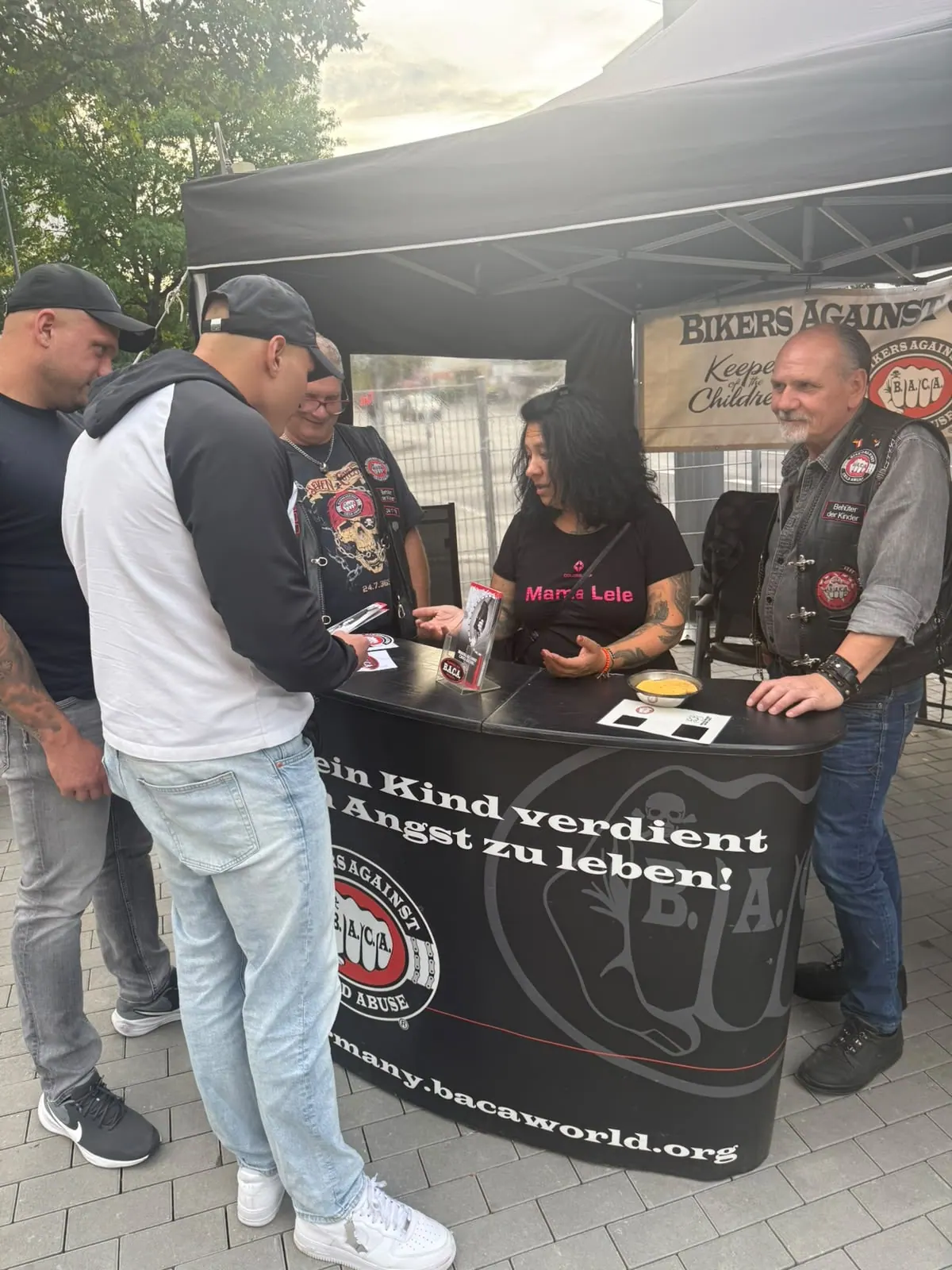
Colors Cup Bambini is not exclusively part of our own Colors Cup events.

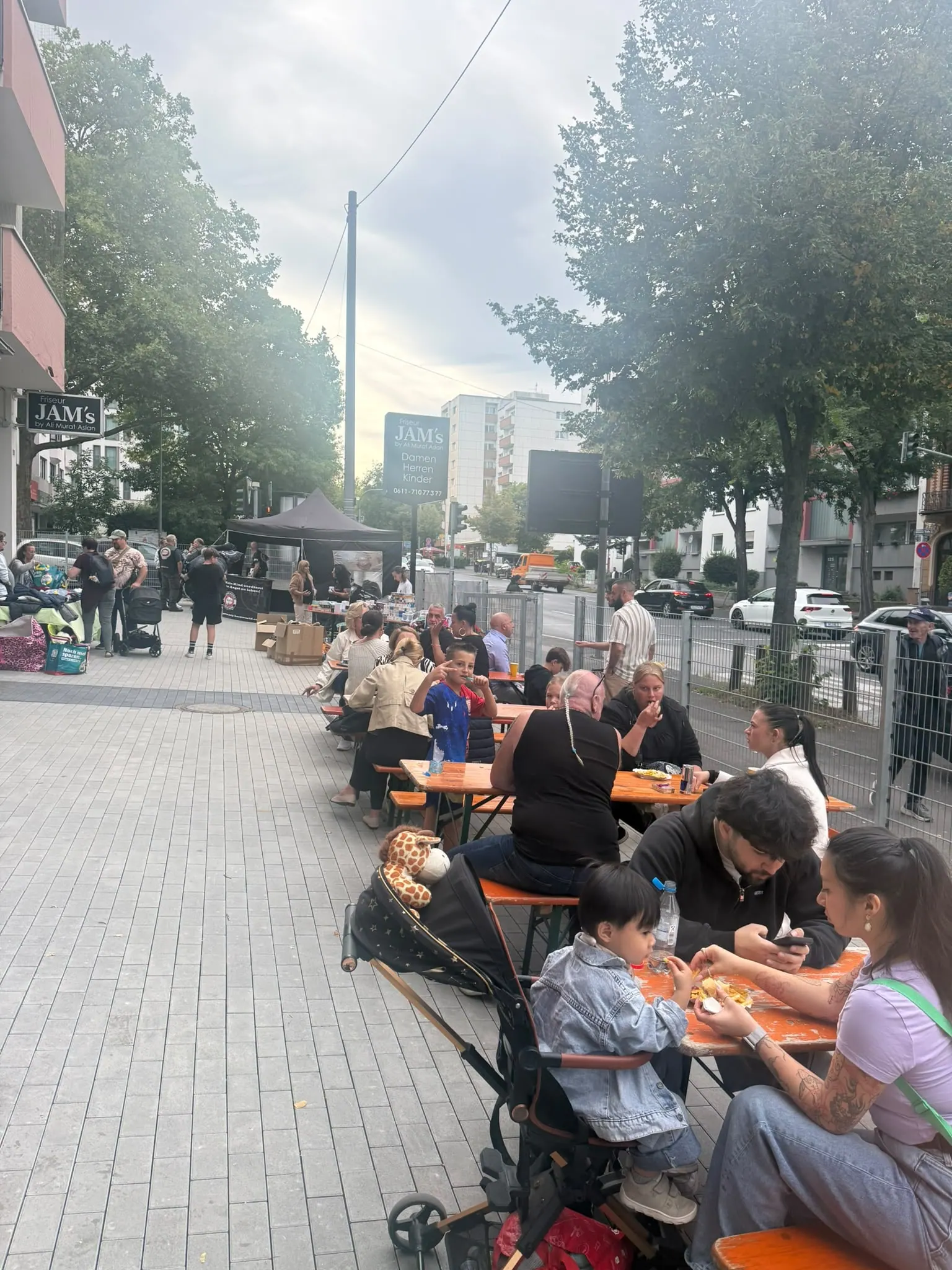
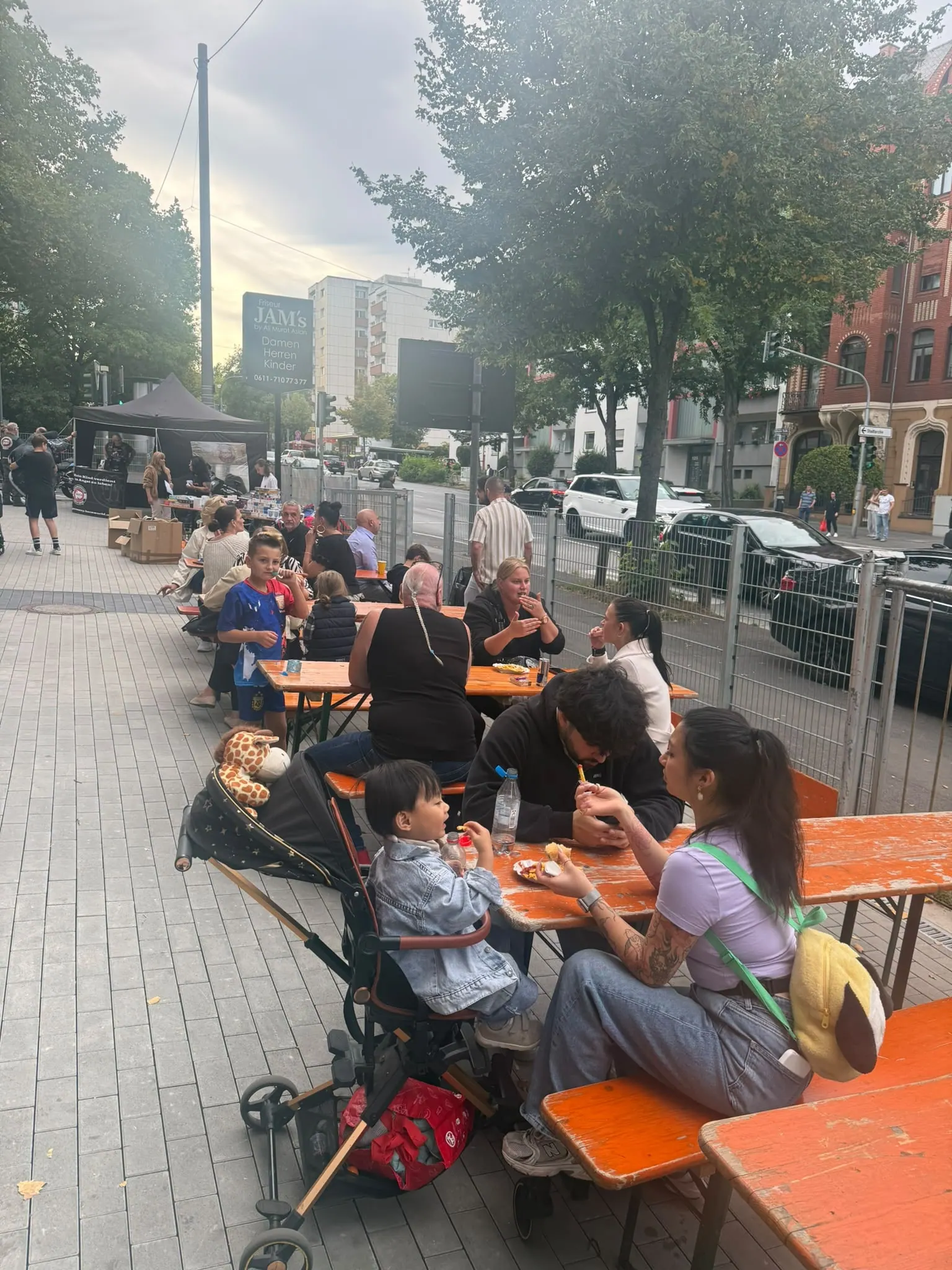
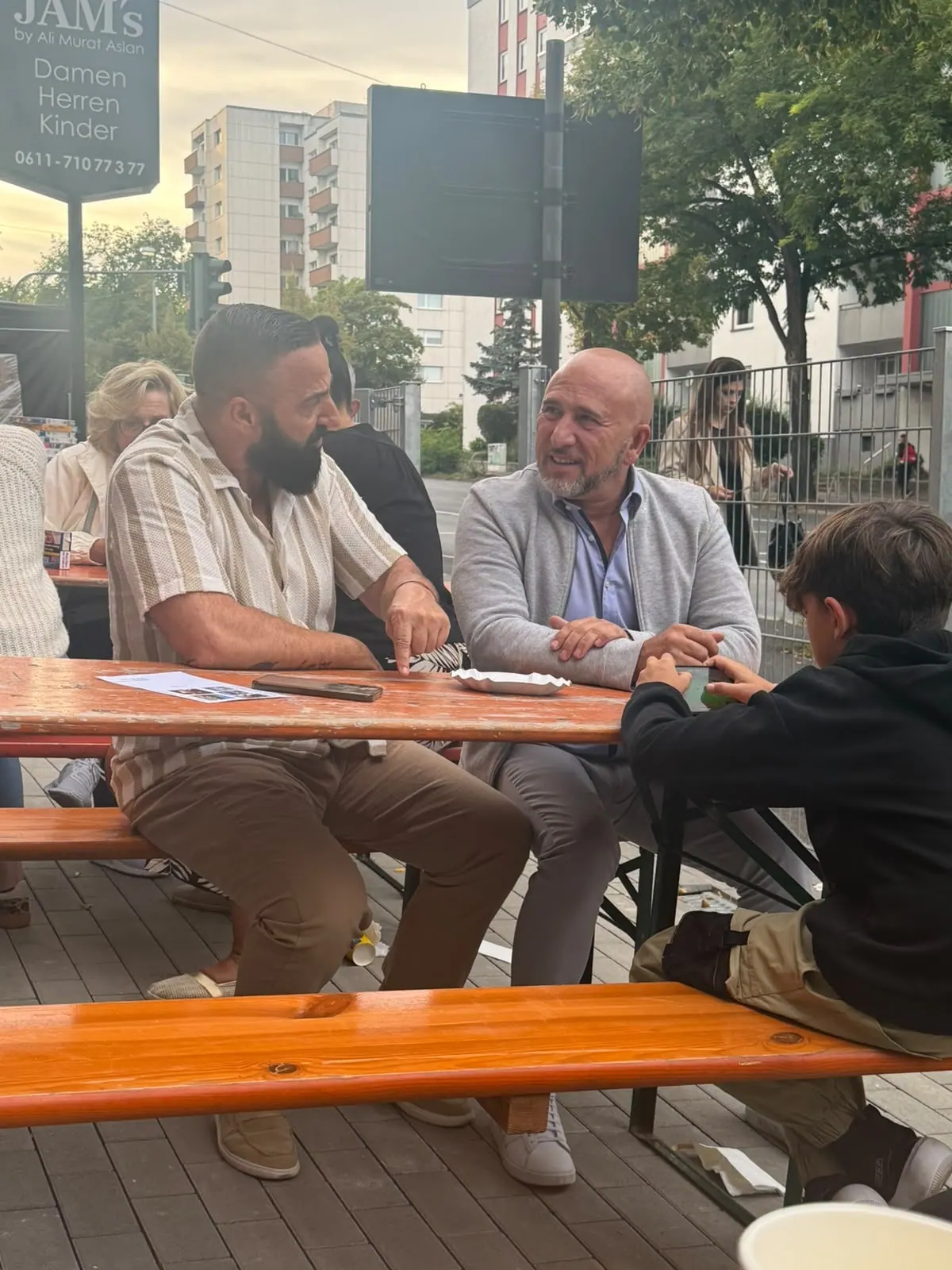
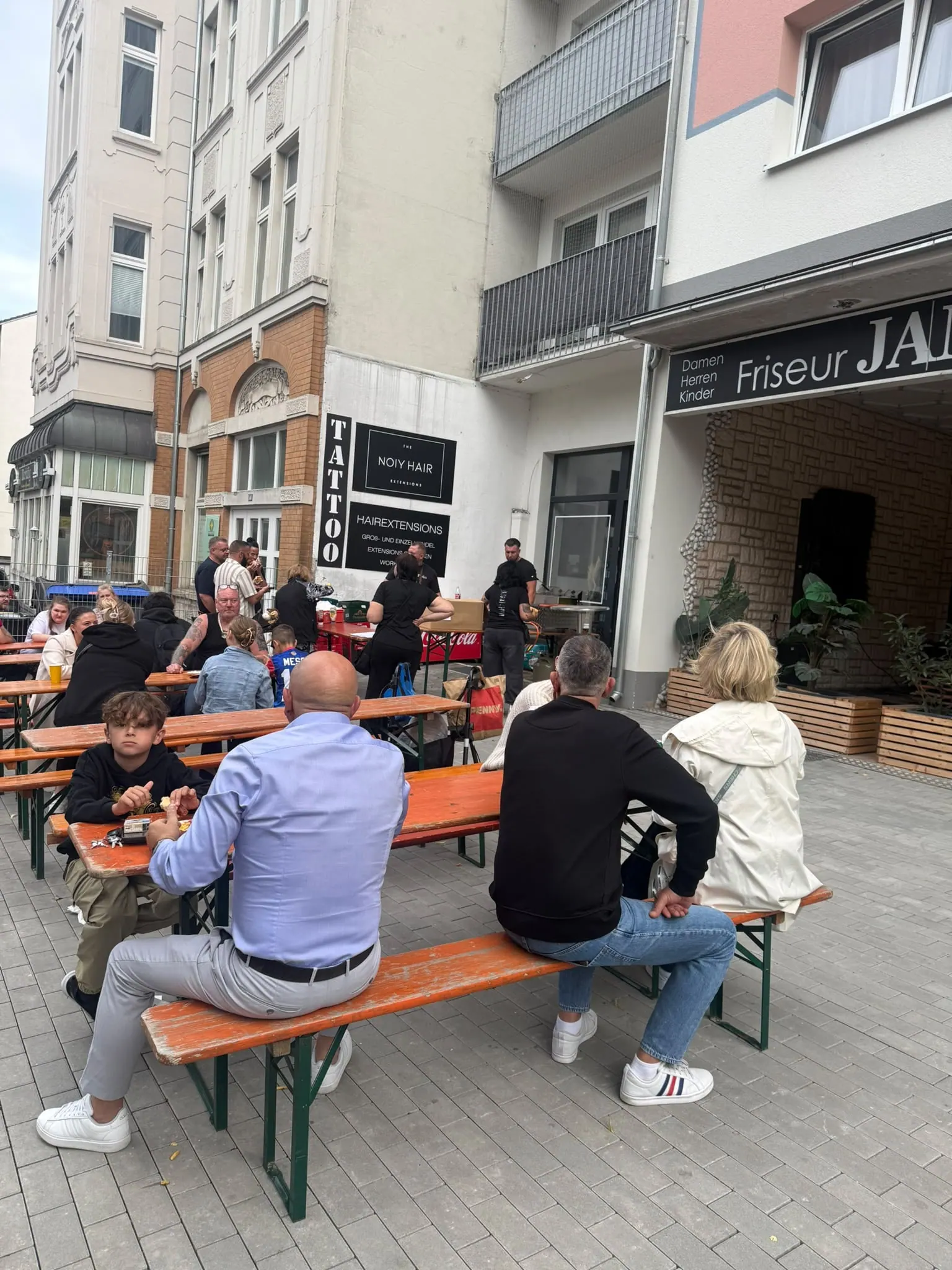
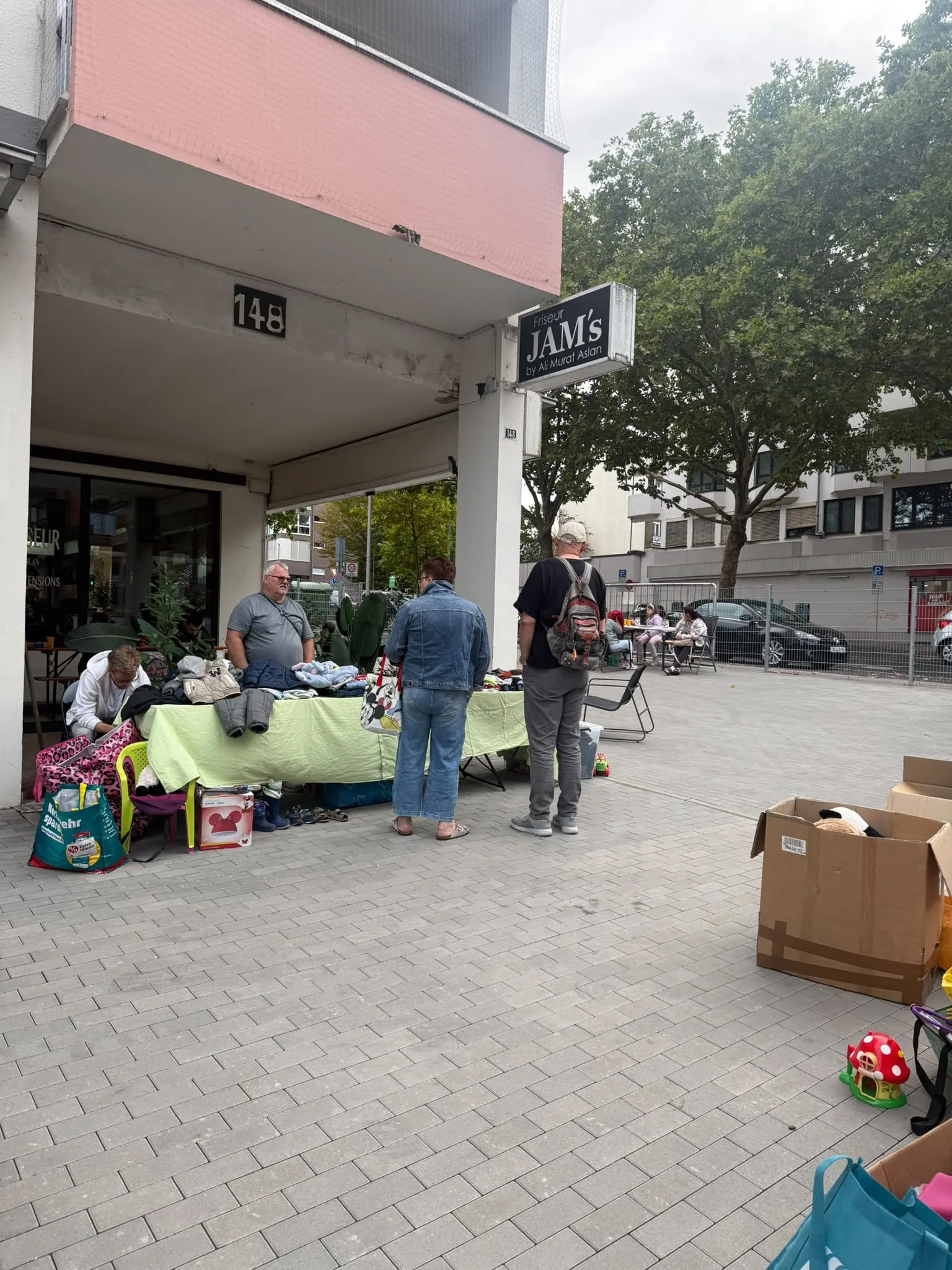
We can also be involved in family festivals, corporate events, neighbourhood festivals, club festivals, holiday programmes, events for children and young people, action days as well as social and cultural events.

We do not simply bring along a fixed programme.

Together with the respective organiser we develop an offer that fits the event, the target group and the available possibilities.

That can be a dedicated Colors Cup Bambini area.
Digital or analogue hands-on activities can be created.
Or we combine different elements and develop an individual offer for children and families from them.

Consulting and joint conception

Colors Cup Bambini can begin before an event even takes place.

Companies, municipalities, associations, social institutions and other organisers can also involve us in an advisory and conceptual role when planning a family festival, an event or a children's area.

Together we can look at how children can really be involved, which activities suit the respective age group and how digital and analogue elements can be meaningfully combined.

Together we can consider how inclusion and different needs are taken into account from the outset and how media literacy, prevention, children's rights, participation and resilience can playfully flow into an event.

One question is especially important to us here:

  • How do we create a space in which children are not simply kept busy, but really feel welcome, taken seriously and involved?

Interested in working together?

Are you planning a family festival, a corporate event, an action day, a holiday programme or another event for children and families? Would you like to bring Colors Cup Bambini on site? Or would you like to take pedagogical, inclusive and participatory aspects into account right from the planning stage and develop an individual concept together with us?

Then feel free to write to us.

Colors Cup Bambini can be involved on site, in an advisory role, conceptually or in a combination of these.

We look forward to developing ideas together with you and creating spaces where children can discover, try things out, learn, help shape things and belong.

Because children want to explore the world.

Our task as adults is not to map out every path for them.

Our task is to accompany them and give them knowledge, safety and trust, so that they learn to move through digital and social spaces ever more independently and safely.